Corrosion Prevention in Industrial Facilities: A Complete Guide
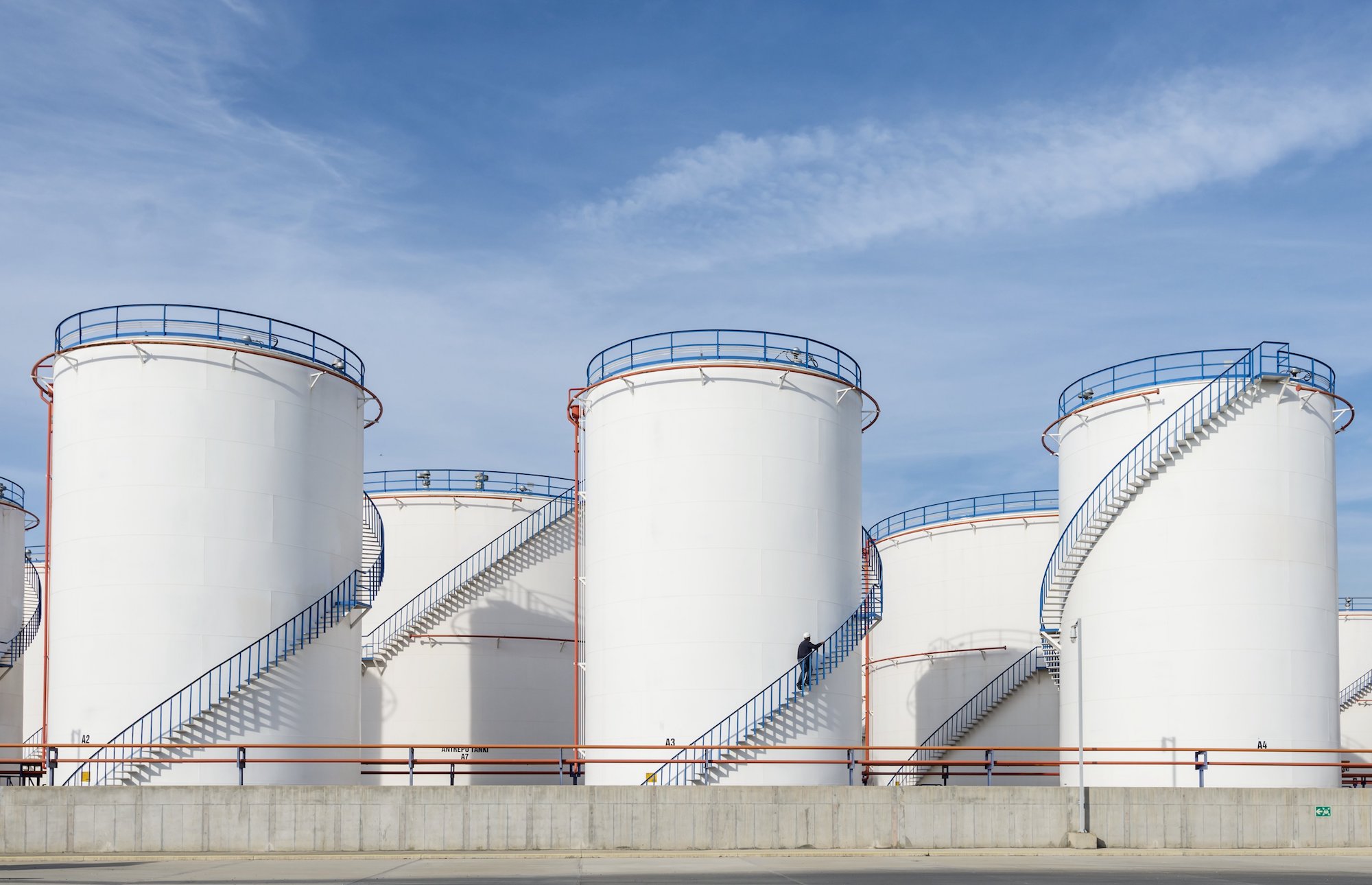
AMPP (Association for Materials Protection and Performance) estimates that corrosion costs U.S. industries $276 billion per year in direct costs alone—and that’s before you count the indirect costs. If you’re managing a plant or running maintenance, you already know corrosion isn’t just annoying. It hits your uptime, your safety numbers, and your budget.
Here’s the upside: proper coating systems and a solid maintenance plan can add years to your equipment life and cut way down on unexpected shutdowns. This guide covers what you need to know to keep corrosion from eating away at your facility. Some of the key topics include industrial corrosion prevention in specific environments, surface preparation, protective coatings for steel and concrete, industrial epoxy and urethane system, and coating maintenance programs.
Understanding Corrosion in Industrial Settings
Corrosion is just metal breaking down through chemical or electrochemical reactions with whatever’s around it. In industrial plants, you’ve got moisture, chemicals, salt air, temperature swings, and mechanical stress all working together to speed things up.
Common Types of Industrial Corrosion
Uniform Corrosion: The most common type, where metal loss occurs evenly across a surface. While predictable, it can still cause significant damage over time if left unprotected.
Pitting Corrosion: Localized corrosion that creates small holes or pits in metal surfaces. This is particularly dangerous because it can penetrate deep into metal while causing minimal visible surface damage.
Galvanic Corrosion: Occurs when two dissimilar metals come into contact in the presence of an electrolyte, causing one metal to corrode faster than it would alone.
Stress Corrosion Cracking: A combination of tensile stress and corrosive environment that can lead to sudden, catastrophic failure of metal components.
Chemical Corrosion: Degradation caused by direct chemical attack from acids, alkalis, solvents, or other aggressive substances common in processing facilities.
The True Cost of Corrosion
Before we get into prevention, let’s talk about what’s actually at stake. Corrosion costs go way beyond the rust you can see:
- Unplanned Downtime: When equipment fails from corrosion, production stops. Depending on what you’re running, that can cost anywhere from thousands to millions per hour
- Safety Risks: Corroded equipment is a safety hazard. It can hurt people, get you in trouble with regulators, and open you up to liability
- Energy Inefficiency: Corroded heat exchangers, pipes, and tanks don’t transfer heat as well, so you burn more energy
- Premature Replacement: Equipment that should give you 20-30 years might only make it 5-10 without proper protection
- Environmental Compliance: Corroded tanks and containment can leak, causing spills and environmental problems
Industry Insight
NACE International found that proper corrosion management can cut your total corrosion costs by 15-35%. For a mid-sized facility, that’s potentially $500K to $2M per year in savings.
Selecting the Right Protective Coating System
Picking the right coating system for your environment and applying it correctly—that’s the foundation of corrosion prevention.
Key Factors in Coating Selection
Environmental Conditions: Think about temperature extremes, humidity, chemical exposure, UV, and abrasion. If you’re on the Gulf Coast, for instance, you’re dealing with salty air and high humidity that call for specialized systems.
Substrate Material: Different materials need different approaches. What works on steel won’t necessarily work on aluminum or concrete. The coating has to stick and be compatible with whatever you’re protecting.
Service Life Requirements: Don’t just look at upfront cost. Premium systems cost more initially but usually pay off over their lifespan.
Application Constraints: Can you do proper surface prep? Can you shut down long enough to apply it? What will the temperature and humidity be during application? How long before you need it cured?
High-Performance Coating Systems for Industrial Applications
Epoxy Coatings: Epoxies have excellent chemical resistance and adhesion, which makes them great for tanks, containment areas, and chemical-exposed floors. They work well in both immersion and splash zones, and they have excellent adhesion to concrete and steel.
Polyurethane Coatings: Polyurethanes handle UV exposure better than most and keep their color. That makes them a good choice for exterior work and topcoats. They hold up well even under direct sun.
Zinc-Rich Primers: These provide galvanic protection to steel—basically sacrificial protection. They’re essential for structural steel in corrosive environments. Even if the coating gets damaged, the primer keeps protecting the steel.
High-Build Systems: Multi-coat systems that build up thick film (10-20 mils or more) last longer in harsh conditions. Systems may include multiple coats of epoxy or an epoxy / urethane system, which is common for exterior application.
Surface Preparation: The Foundation of Coating Performance
You can have the best coating in the world, but if you don’t prep the surface right, it’ll fail early. Surface prep accounts for up to 80% of how well a coating performs and how long it lasts.
Critical Surface Preparation Standards
Abrasive Blast Cleaning: The gold standard for industrial coatings. SSPC-SP 10 (near-white blast) or SP-5 (white metal blast) are typically specified for high-performance coating systems. This removes all rust, mill scale, and contaminants while creating an ideal surface profile for coating adhesion. SSPC-SP-6 (commercial blast) is specified for lots of non-immersion applications.
Surface Profile: The anchor pattern from blasting matters. Most high-performance coatings need a 1-3 mil profile, depending on the system. Go too smooth and the coating won’t stick. Too rough and you’ll get thin spots over the peaks.
Cleanliness: Get rid of all dust, oil, grease, and soluble salts before you coat. In coastal areas, salt contamination is a real problem—it can cause osmotic blistering and early coating failure.
Environmental Conditions: Steel temp needs to be at least 5°F above dew point, keep relative humidity under 85%, and stay within whatever temperature range the coating manufacturer specifies.
Common Surface Preparation Mistakes
- Inadequate blast cleaning leaving flash rust or contaminants
- Applying coatings when substrate temperature is too close to dew point
- Failing to test for and remove soluble salts in coastal environments
- Not achieving proper surface profile for the coating system
- Allowing too much time between surface preparation and coating application
Application Best Practices
Application technique matters as much as surface prep. Even small deviations from the manufacturer’s specs can hurt coating performance.
Critical Application Parameters
Film Thickness: You need to hit the specified DFT. Too thin and the substrate is vulnerable. Too thick and you can get cracking, poor adhesion, and solvent entrapment. Use calibrated wet film thickness gauges during application and DFT gauges to verify.
Mixing and Induction Time: Mix multi-component coatings thoroughly per the manufacturer’s specs. Some may also need induction time after mixing to let the chemical reactions start before you apply them.
Pot Life: Use mixed material within its pot life. Go past that and you’ll have trouble applying it, and the coating can fail.
Recoat Windows: Apply each layer within the recoat window. Too soon and you trap solvents. Wait too long and you might need to prep the surface again for good adhesion.
Pro Tip: Documentation Matters
Keep detailed records: surface prep, environmental conditions, batch numbers, film thickness, application dates. You’ll thank yourself later when you need it for warranties, insurance, or planning maintenance.
Maintenance and Inspection Programs
Proactive maintenance can add 50% or more to coating life versus just reacting to problems. Regular inspections let you fix small issues before they turn into big ones.
Implementing an Effective Inspection Schedule
Visual Inspections: Do quarterly walk-throughs looking for chalking, fading, cracking, blistering, rust staining. Document what you find with photos and locations.
Detailed Assessments: Do deeper annual inspections with adhesion testers, holiday detectors, and thickness gauges. Focus on areas that take the most abuse.
Predictive Maintenance: Track degradation rates over time so you can predict when you’ll need to recoat. That way you can schedule maintenance during shutdowns instead of scrambling during emergencies.
Spot Repair vs. Full Recoating
When you find coating damage, decide between spot repair and full recoating. If damage is under 10-15% and the rest looks good, spot repairs work. For widespread damage or when the coating’s just done, full recoating makes more sense long-term.
Corrosion Prevention in Specific Industrial Environments
Different industries face different corrosion problems. Gulf Coast Paint Mfg. has worked with critical assets across a range of industrial sectors. Here’s how corrosion gets handled in these industries:
Pulp & Paper Mills
Pulp and paper facilities operate in some of the most corrosive environments in industry, with constant exposure to moisture, chemicals, and extreme pH conditions. Our coating systems are engineered to withstand these demanding conditions across all critical areas:
Bleach Plants: These areas face severe chemical attack from chlorine compounds and oxidizers. Chemical-resistant epoxy such as cycloalphatic epoxy and novolacs, as well as vinyl ester systems are used and will maintain integrity even under continuous exposure to bleaching agents and maintain protection in both wet and dry cycles.
Digesters (Continuous or Batch): High-temperature, high-pH environments with white liquor exposure require specialized high-build epoxy systems with exceptional alkali resistance. Coating specifications need to account for thermal cycling and chemical immersion to ensure long-term performance.
Paper Machines (Wet & Dry End): The wet end experiences constant moisture and chemical exposure, while the dry end faces heat and mechanical wear. Products like our PC-590 Wet Surface Epoxy were designed for this type of application.
Fresh Water Treatment Plants & Wood Yards: From debarkers and chippers to clarifiers and treatment equipment, we protect carbon steel structures and equipment with coating systems designed for outdoor exposure, moisture, and mechanical abuse. Our structural steel coatings provide protection in these challenging environments.
Infrastructure Protection: Vessels, pipelines, pipe racks, concrete floors, and buildings throughout the facility all require tailored coating solutions. We specify appropriate systems for each substrate and exposure level, from high-build epoxies for immersion service to durable polyurethanes for exterior structural steel.
Petroleum Refineries
Refineries present extreme corrosion challenges from hydrocarbon exposure, high temperatures, chemical processing, and coastal atmospheric conditions. Our comprehensive coating programs protect every critical asset:
Crude Oil Storage Tanks (Sweet & Sour): Different crude compositions require different internal coating strategies. Sour crude with hydrogen sulfide demands specialized chemically-resistant linings, while sweet crude tanks benefit from high-build epoxy systems. Products like our CM-15 Epoxy Mastic and PC-517 Chemical Resistant Epoxy are commonly used in these applications.
Fuel Storage Tanks: Each product—gasoline, xylene, toluene, kerosene, whatever—needs coatings with the right chemical resistance.
Gas Storage Spheres & Vessels: These pressure vessels need coatings that handle thermal cycling, mechanical stress, and product exposure. Multi-layer systems provide corrosion protection and enough flexibility for expansion and contraction. Urethane topcoats like our CT-370 are used on the exterior of these tanks.
Crude Oil Unloading Docks: Marine environments speed up corrosion with salt spray and constant moisture. Zinc-rich primers, moisture-cured urethane or epoxy/polyurethane topcoats work well for coastal exposure. Spec them right and they’ll protect transfer points for decades.
Process Infrastructure: Cooling towers, clarifiers, structural steel, pipelines, pipe racks, control rooms, concrete—they all need coating systems tailored to what they’re exposed to and what they do. High-temp zones, splash zones, immersion areas—there are proven solutions for all of it.
Petrochemical & Chemical Processing Plants
Chemical plants face all kinds of corrosive conditions depending on what they’re making. Coating systems need to handle a wide range of chemical exposures:
Structural Steel Protection: Process units see different levels of chemical exposure, temperature extremes, and atmospheric corrosion. Coating systems are specified based on what each unit actually faces—could be basic atmospheric protection or heavy-duty chemical-resistant systems.
Storage Tanks & Vessels: Acids, caustics, solvents, intermediates—picking the right internal coating is critical. You need to evaluate chemical compatibility, temperature, and service conditions to find the right lining.
Pipelines & Pipe Racks: Transfer systems need protection on both sides: internal linings for product exposure and external coatings for atmospheric corrosion.
Support Infrastructure: Cooling towers, clarifiers, concrete floors, control rooms, and buildings all require appropriate protection. Our systems range from chemical-resistant floor coatings to architectural finishes that provide both protection and aesthetics.
Food Processing & Beverage Facilities
Food and beverage plants have to balance corrosion protection with sanitation requirements and regulations. Gulf Coast Paint Mfg. works with coating systems that meet FDA and USDA standards and hold up well:
Diverse Facility Types: Dairies, cheese plants, breweries, wineries, meat packaging, poultry, bakeries, candy factories, bottling plants—they all have different requirements. USDA-approved coating systems can provide compliant protection across all these sectors. Products like our PC-1850 100% Solids Epoxy are commonly used in these facilities.
Walls & Floors: These surfaces get hit with frequent washdowns—hot water, steam, sanitizing chemicals. Seamless epoxy and urethane systems are impervious, prevent bacterial growth, and hold up to aggressive cleaning. They come in different colors for coding and aesthetics. Products like our PC-591 100% Solids Wall Grade Epoxy provide longevity needed in this environment.
Ceilings: Ceilings get overlooked but they matter—you don’t want paint or corrosion products falling into the product.
Processing Equipment & Machinery: Food-contact surfaces need NSF/ANSI 61 certified coatings. We don’t make an NSF-approved epoxy ourselves, but we can help recommend some options.
Support Areas: Change rooms, labs, and support areas also need cleanable, sanitary surfaces. Complete facility coating solutions keep sanitation standards consistent throughout.
Wastewater Treatment Plants
Wastewater treatment plants operate in constantly hostile conditions: moisture, chemicals, microbial activity. Coating systems need to be engineered for these extremes:
Clarifiers: These settling tanks need coatings that work in both immersion and splash/spray zones. High-build epoxy systems hold up for years in wastewater. Our PC-517 Chemical Resistant Epoxy has been specified in clarifiers across the United States.
Digesters: Anaerobic digesters combine high humidity, hydrogen sulfide, and microbial activity—one of the most corrosive combos you’ll find. Specialized coating systems with good chemical and microbial resistance protect these expensive assets.
Pumping Stations & Rakes: Wastewater equipment faces abrasion, chemical attack, and constant moisture. Coating systems that protect against all three extend equipment life and cut maintenance costs.
Secondary Containment: Containment systems need robust chemical protection. Epoxy novolac systems usually are specified for secondary containment.
Concrete Surfaces: Concrete in wastewater plants takes a beating: acid attack, sulfate attack, microbial-induced corrosion. Protective coatings seal and protect it, preventing deterioration and adding decades to its life.
Structural Steel Fabrication – OEM
Fabricators need coatings that protect well and don’t slow down production. Gulf Coast Paint Mfg. has shop-applied solutions designed for efficiency:
Carbon Steel Protection: Fast-dry primers (PC-2.8) allow rapid throughput while extended-recoat-window primers (PC-116) give flexibility in construction schedules. You can prime fabricated steel, ship it, and topcoat on-site without special surface prep.
Extended Recoat Windows: These primers accept topcoats weeks or even months later, giving you flexibility for project schedules and field finishing.
Mining (Surface & Underground)
Mining operations are brutal: abrasive materials, chemicals, extreme weather, mechanical stress. Coating solutions need to protect critical equipment:
Structural Steel: Above-ground structures face weather, UV, and corrosive dust. High-performance coating systems protect structural components for decades outdoors.
Processing Tanks & Equipment: Ore processing means slurries, chemicals, and abrasion. Chemically-resistant, high-build coatings with good abrasion resistance protect tanks, vessels, and process equipment.
Material Handling Systems: Draglines, conveyors, silos, material handling—they all need coatings that resist corrosion and mechanical wear. Good systems hold up even under constant abrasion from moving ore.
Mobile Equipment: Locomotives, wagons, and mobile equipment need durable coatings that handle both environmental exposure and mechanical abuse.
Pipelines & Secondary Containment: Transfer systems and containment need chemical-resistant coatings to handle process solutions and prevent releases. Lining systems can meet environmental compliance while providing long-term integrity.
Concrete Surfaces: Mining floors and structures suffer from chemical spills, abrasion, and heavy traffic. Industrial-grade concrete coatings protect against all of this, reducing maintenance and extending service life.
Industry-Specific Coating Solutions
Gulf Coast Paint Mfg. specializes in coating systems engineered for your specific industry challenges. Our team has experience in these industries and can help recommend the proper coating system for your facility. Contact us today at 251-964-7911 or info@gulfcoastpaint.com.
About Us
Gulf Coast Paint Mfg. Inc. is a family owned, third generation corporation located near Mobile, Alabama in a town called Loxley. We have been in business since 1976, and have over 100 years of combined experience and know how in the Industrial Maintenance Coatings field. Corrosion Resistant Coatings and Industrial Paint Systems is what we specialize in. Founded on the strength of technical knowledge and expertise in the Chemical Industry and specifically in Coatings, Gulf Coast Paint Mfg. continues to thrive and grow and is proud of its accomplishments as a formulator and a manufacturer of its own products. We make a complete line of high performing chemical resistant coatings for the protection of steel and concrete surfaces. Included in our line is a group of specially formulated products that are very unique to the coatings industry.
You must be logged in to post a comment.